London offers one of the world's most connected transport systems, helping residents and visitors travel efficiently across the city. Understanding available options makes exploring neighborhoods, attractions, business districts, and cultural landmarks easier.
The transport network includes underground trains, buses, overground rail services, trams, river transport, and cycling facilities. Each mode serves different travel needs while connecting seamlessly throughout London's extensive metropolitan area.
The London Underground, commonly called the Tube, remains the fastest transportation method. Distinctive route maps, color coded lines, and frequent services help passengers navigate destinations with confidence and convenience.
Learning basic transport terminology before arrival reduces confusion significantly. Familiarity with stations, travel zones, peak hours, ticketing methods, and route planning tools helps travelers save valuable time daily.
The Underground system consists of multiple lines connecting central districts with outer areas. Trains operate frequently throughout most days, providing dependable transportation for commuters, tourists, students, and business travelers.
Reading the Tube map carefully helps identify transfer points and direct routes. Understanding where lines intersect enables passengers to switch trains smoothly while minimizing unnecessary travel delays and confusion.
Travelers should avoid peak commuting periods whenever possible. Morning and evening rush hours create crowded conditions, making journeys less comfortable and potentially slower due to increased passenger volumes.
Many stations feature clear signage directing passengers toward platforms, exits, and connecting services. Following posted directions carefully simplifies navigation and helps newcomers feel more confident while traveling independently.
Paying for transport in London has become remarkably convenient through modern technology. Contactless bank cards and mobile payment systems allow passengers to access services without purchasing separate paper tickets.
An Oyster card remains a practical choice for many visitors staying several days. The reusable smart card offers simple fare management and can be topped up conveniently when necessary.
Daily and weekly fare caps help passengers control transportation expenses. Once spending reaches predetermined limits, additional eligible journeys become free, providing excellent value during busy sightseeing schedules.
Checking fare zones before traveling helps estimate costs accurately. Since prices vary depending on distance and zones crossed, understanding the system prevents unexpected charges and improves budget planning.
Planning routes before leaving accommodations significantly reduces travel stress. Mobile applications and official transport tools provide live updates, helping travelers avoid disruptions and choose efficient alternatives quickly.
Standing on the right side of escalators remains an important local custom. Leaving the left side clear allows hurried commuters to walk past, improving movement throughout busy stations.
Using buses for shorter journeys can offer surprising advantages. Travelers enjoy street level views, avoid crowded underground platforms, and sometimes discover interesting neighborhoods overlooked by many tourists completely.
Keeping a portable phone charger ensures uninterrupted access to maps, tickets, and travel information. Reliable device power becomes especially important during long sightseeing days across multiple city locations.
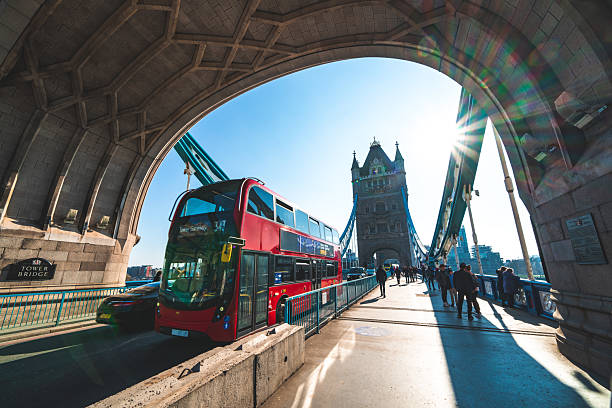
London's iconic red buses provide extensive coverage throughout the city. They connect areas not directly served by Underground lines and offer an affordable transportation alternative for visitors.
Bus stops display route information and arrival times clearly. Checking destination numbers beforehand helps passengers board correct services while avoiding unnecessary detours during journeys across unfamiliar districts.
River transport presents a scenic alternative for reaching selected destinations. Traveling along the Thames offers unique city views while providing practical connections between important waterfront locations and attractions.
Cycling and walking complement public transport effectively. Many journeys become more enjoyable by combining different travel methods, allowing visitors to experience London's atmosphere while maintaining transportation flexibility.
Confidence develops quickly after completing several journeys independently. Understanding routes, payment methods, and station layouts transforms public transport from an intimidating challenge into a convenient travel resource.
Allowing extra travel time during initial days reduces pressure significantly. Unexpected delays, navigation mistakes, and unfamiliar surroundings become manageable when schedules include reasonable flexibility and preparation.
Respecting local etiquette improves experiences for everyone using public transport. Offering space, moving efficiently, and remaining aware of surroundings contribute positively to London's busy transportation environment daily.
With preparation and practical knowledge, London's transport network becomes straightforward to navigate. Travelers can explore diverse attractions confidently while saving money, reducing stress, and maximizing valuable sightseeing opportunities.

This post has been authored and published by one of our premium contributors, who are experts in their fields. They bring high-quality, well-researched content that adds significant value to our platform.












London Lifestyle is your guide to fashion, travel, food, and modern city living in London. Stay inspired with daily lifestyle updates and trends.