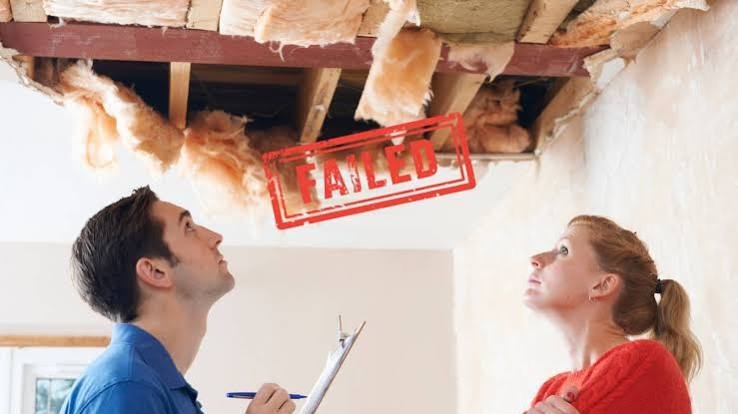
Buying a home can be exciting, but it can also create plenty of uncertainty. One of the biggest concerns buyers have is what might happen when the property is inspected. Homeowners and buyers often ask the same question: how often do home inspections fail?
The good news is that a home inspection typically is not a simple pass-or-fail test. Instead, it is designed to provide an overview of a property's visible condition and identify areas that may need repair, maintenance, further evaluation, or monitoring.
Understanding what a home inspection actually means can help buyers and sellers approach the process with realistic expectations.
Technically, most standard home inspections do not result in a simple “pass” or “fail.” A home inspector generally evaluates accessible components and reports observed conditions rather than determining whether a home passes an exam.
This is an important distinction when asking how often do home inspections fail. A report may identify several defects without meaning that the entire home is unsafe or unsuitable for purchase.
Some findings may be minor maintenance concerns, while others could require immediate attention or evaluation by a qualified specialist.
The purpose is to give buyers information so they can better understand the property before completing a major financial transaction.
Almost every property has some type of imperfection, especially as it gets older. Normal wear and tear, deferred maintenance, weather exposure, renovations, and aging systems can all contribute to inspection findings.
Common issues can include:
Finding these conditions does not necessarily mean a house has “failed.” Instead, the inspection provides an opportunity to understand what needs attention.
Although there is no universal pass-or-fail standard for a general home inspection, certain findings can be more significant than others.
Structural concerns, major roof deterioration, serious electrical hazards, substantial water intrusion, unsafe conditions, or significant plumbing problems may require prompt professional evaluation.
In some cases, an inspector may recommend that a qualified specialist examine an issue in greater detail. For example, an electrical concern may warrant evaluation by a licensed electrician, while a suspected structural problem may require a structural engineer.
This approach helps distinguish between an issue that can be addressed through routine maintenance and one that requires more extensive work.
Older homes tend to have more opportunities for maintenance-related findings simply because their systems and materials have been exposed to the elements for longer.
That does not mean an older home is automatically a poor investment.
A well-maintained older property can be in better condition than a newer property that has been poorly maintained. Age is simply one factor that can influence what an inspector observes.
Buyers should therefore focus on the actual condition of the home rather than assuming that a particular age automatically means the inspection will “fail.”
New construction is not immune from inspection concerns. Construction involves many different trades, materials, installations, and finishing processes, and mistakes or incomplete work can occasionally occur.
A new home inspection may identify issues involving workmanship, drainage, doors and windows, electrical components, plumbing fixtures, HVAC systems, or other accessible components.
For this reason, buyers should not assume that a newly constructed property does not need an inspection.
An inspection before closing can provide an additional opportunity to identify concerns while the builder may still be responsible for correcting certain items.
When an inspection report identifies defects, the next step is usually to understand the severity and potential cost of each concern.
Buyers may choose to:
The appropriate decision depends on the purchase contract, financial situation, property condition, and advice from qualified real estate and professional advisers.
Not every inspection finding needs to become a negotiation point. Minor maintenance issues are common, while major safety or structural concerns may deserve much more attention.
Sellers can reduce surprises by reviewing their property before listing it.
Simple maintenance can make a difference. Repair obvious leaks, replace damaged fixtures, address visible drainage concerns, replace missing or damaged components, and make sure important areas of the property are accessible.
It can also help to gather documentation for major repairs, roof replacement, renovations, HVAC service, and other improvements.
The goal should not be to make a property appear perfect. Instead, preparation allows sellers to address known issues and provide useful information to prospective buyers.
One of the biggest mistakes buyers can make is treating every item in an inspection report as equally serious.
Instead, review the findings based on urgency, safety, cost, and potential impact on the property.
Separate routine maintenance items from conditions that require immediate repair or further investigation. Ask the inspector questions about the findings you do not understand, and obtain specialist opinions when recommended.
An inspection report is a tool for making an informed decision—not a prediction of everything that could happen to a home in the future.
The answer is that there generally isn't a meaningful “failure rate” because a standard home inspection is not normally a pass-or-fail examination.
When people ask how often do home inspections fail, they are usually asking how frequently inspectors discover significant problems. The answer varies considerably depending on the property's age, construction, maintenance history, location, renovations, and individual systems.
The more useful question is: What does the inspection reveal, and how important are those findings?
A professional inspection can uncover both minor and major concerns, giving buyers the information they need to make a more informed decision.
Every home has a history, and even well-maintained properties can have defects. Rather than worrying about whether a house will “pass,” buyers should use the inspection to understand its current condition.
In 2026, informed buyers and sellers can benefit from treating a home inspection as an essential source of information. The goal is not to find a perfect house—it is to understand the property's strengths, weaknesses, maintenance needs, and potential risks before making a major commitment.
So, how often do home inspections fail? In most cases, the better answer is that homes are not simply passed or failed. A good inspection provides clear information about observed conditions so buyers and sellers can make smarter decisions.

This post has been authored and published by one of our premium contributors, who are experts in their fields. They bring high-quality, well-researched content that adds significant value to our platform.










London Lifestyle is your guide to fashion, travel, food, and modern city living in London. Stay inspired with daily lifestyle updates and trends.

